Heritage Park Story-walk
Falls Island in Heritage Park,
Canton, NY
October 10-25

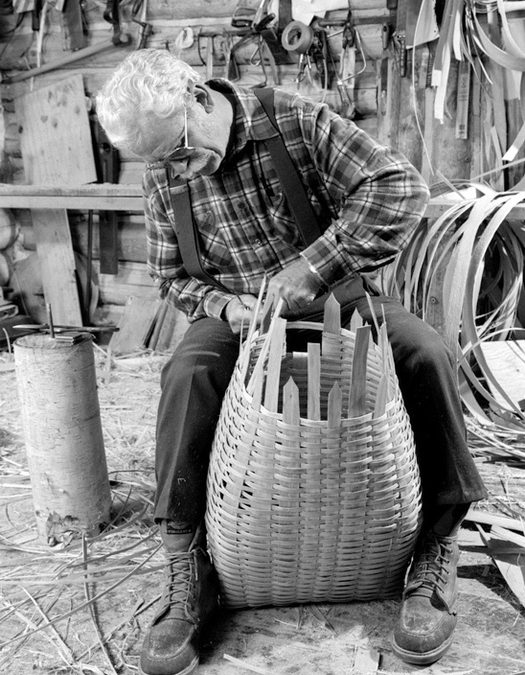
Anatomy of a Packbasket, TAUNY’s fall exhibit, looks at the history of the Adirondack packbasket and the process of making one. TAUNY Photography Director Martha Cooper spent several days in the woods and workshop of basketmaker Bill Smith of Colton. The result is this photographic description of the step-by-step process of creating this regional icon–from cutting the perfect black ash log to weaving in the final splints. The exhibit includes a display of antique and contemporary packbaskets.
Bill_Smith
Traditionally made from native black ash, the packbasket originated with Native Americans, who passed the form on to white settlers. Sturdy carriers for outsdoorsmen to wear on their back, packbaskets have in modern times been supplanted by factory-made nylon backpacks. Yet labor-intensive packbaskets are still made in this region, mostly as items for hou
sehold use, and a few traditionalists still wear them in the woods.
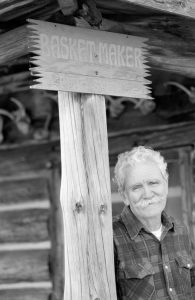
Basketmaker
The “Anatomy of a Packbasket” exhibit and related workshops and programs are possible thanks to generous underwriting support from Gray & Gray CPAs, Canton, Coakley Carpet One Ace Hardware in Canton and Saranac Lake, and Hyde-Stone Mechanical Contractors.
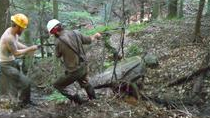
Have you ever been hiking along an Adirondack trail and wondered who built the stone steps into a stretch of steep trail, or who cleared the blowdown from the path since your last visit? The answer is Adirondack Mountain trail crews.
In the summer of 2009 cultural anthropologist Carolyn Schwarz set out to learn more about Adirondack Mountain Club (ADK) professional trail crews—who these trail workers are, and how they get the job done. She discovered teams of strong, tough individuals who brave black flies, storms, and miles of hiking over difficult terrain with heavy backpacks to keep routes open for public use in both the Adirondack Park and the Catskill Mountains.
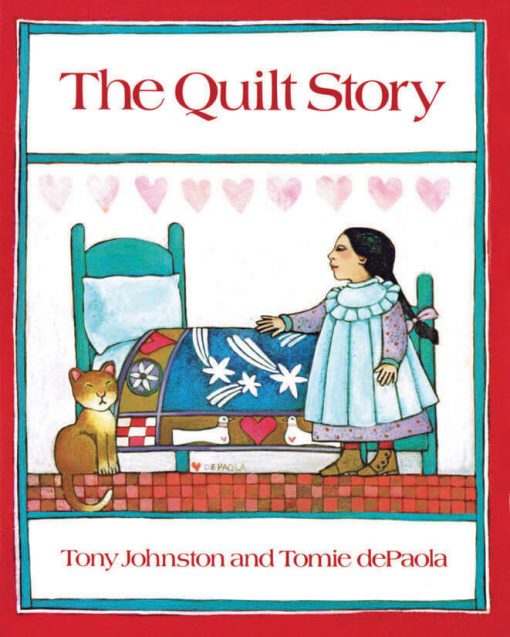
Heritage Park Story-walk
Falls Island in Heritage Park,
Canton, NY
October 10-25
We’ll get through it!
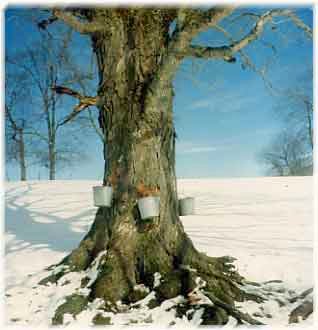
As more than one North Country resident has said, maple sugar time marks the sweet beginning of the agricultural season. For early farmers in this region, the annual crop provided a supply of sweetener for household use, as well as a source of income.